LicensedInsuredFamily-owned40 years of experience100% satisfaction guarantee
Residential service
Most toilet problems are a thirty-minute fix. We carry common valves and seals, reset flanges properly when the toilet rocks, and install comfort-height replacements without leaving a wobble.
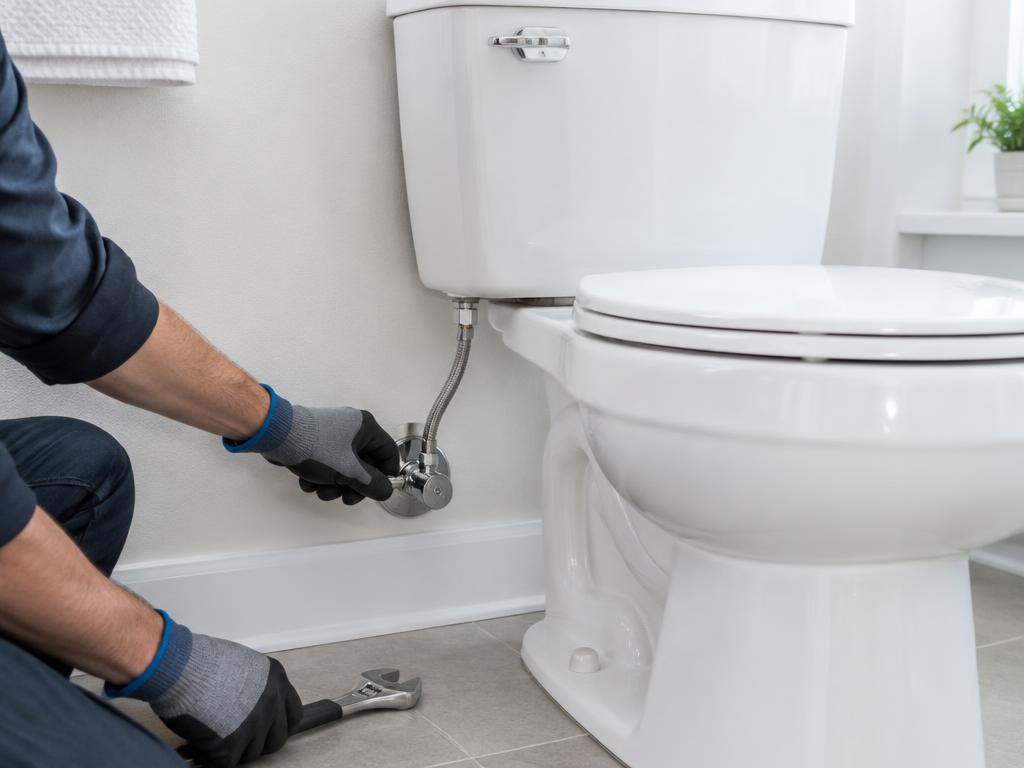
Fill valve, flapper, wax ring, or a flange that has failed below the floor.
Honest call on whether parts or a new unit is the better spend.
Why it matters
A misbehaving toilet wastes more than patience. A toilet that runs between flushes can waste hundreds of gallons a month, and a slow leak at the base can rot the subfloor before you ever see a puddle. Prompt, correct repair protects your floor, your water bill, and the one fixture every household depends on most.
We check the tank components, the base seal, and the flange to tell a worn flapper apart from a drain problem or a damaged floor — each needs a different fix.
Tank parts are replaced with components that match your toilet; a rocking base gets its flange and seal inspected and reset properly, not just overtightened.
We flush repeatedly, check for leaks at every connection, and confirm the tank fills and shuts off cleanly before calling the job done.
A worn flapper or fill valve can waste water without leaving a puddle. Weak flushing can have several causes, including tank settings and an obstruction. Repeated clogs across multiple fixtures may indicate a drain-line issue rather than a faulty toilet.
Movement at the base can damage the seal and allow water to reach the floor beneath the toilet. Resetting the fixture may involve checking the flange and the surrounding floor, not simply tightening the bolts. A replacement should also fit the existing rough-in and available space.
Clear the space around the toilet. If it is leaking, stop using it and close the fixture shutoff if it turns safely; do not force a stuck valve.
Do not flush wipes, even products labeled flushable. Address rocking and occasional tank refilling early, and use cleaning products compatible with the fixture's parts.
FAQ
Water may be escaping from the tank through a worn seal, or the fill valve may not be shutting off properly. Inspecting the tank identifies the part that needs attention.
Sometimes, but movement can also indicate a damaged flange or an uneven or weakened floor. Overtightening can crack porcelain, so the underlying cause should be checked.
Cracked porcelain, recurring problems, unavailable parts, or a desired change in height or water use can make replacement worth considering.
Word of mouth
Read current, verified customer feedback on Jensen Plumbing's Google Business Profile.
Read Google reviews